Why It’s Important to Have an Arborist Evaluate Storm-Damaged Trees
Abundant Tree Care Services • December 16, 2025
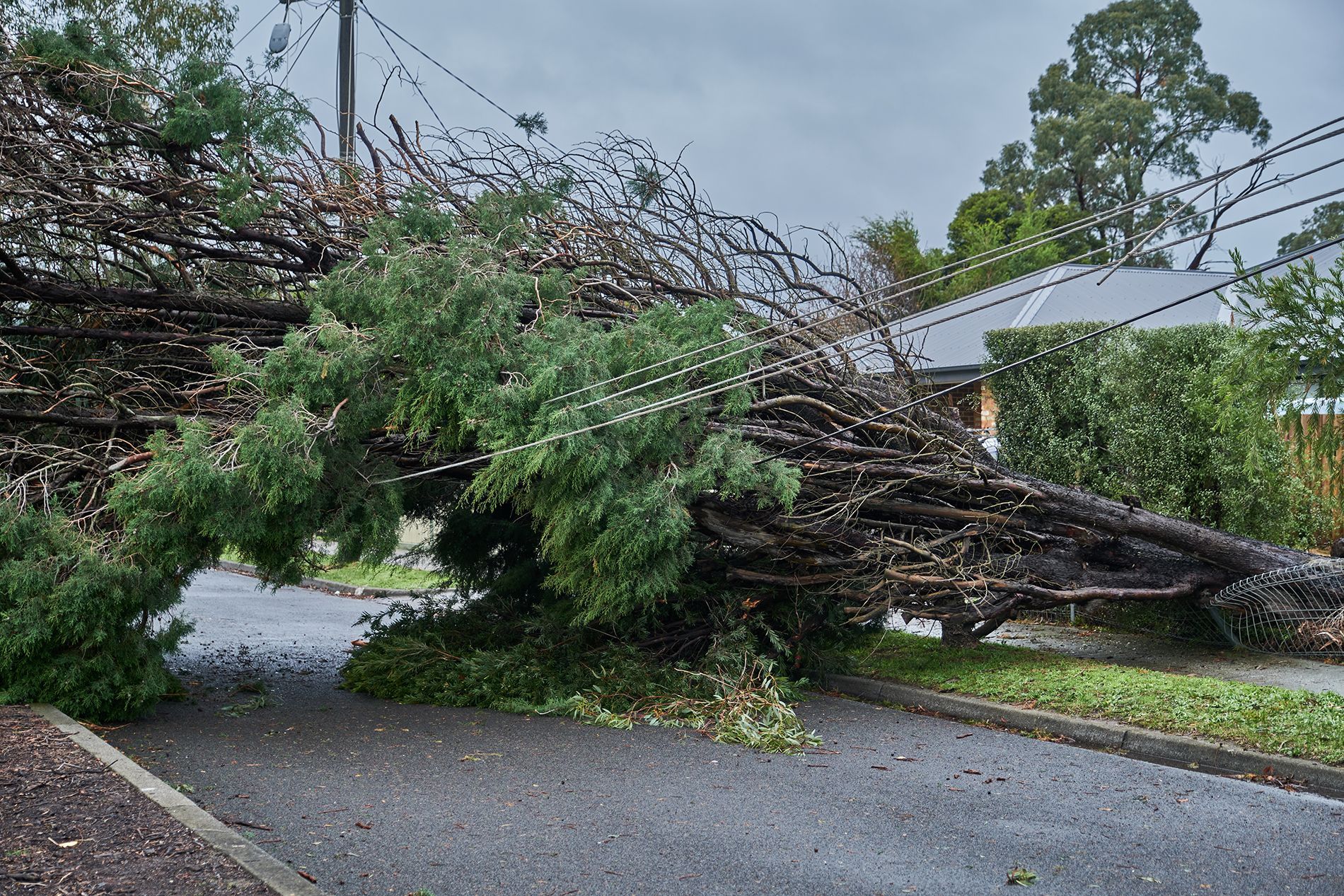
Fallen tree blocking a residential street, with power lines. Overcast day.

After a major storm, it’s natural to survey your property and check on the condition of your trees. Strong winds, heavy rain, lightning, and saturated soil can cause significant damage that isn’t always obvious to the untrained eye. While some trees may appear stable, hidden structural problems can pose serious risks to your home and safety. Having a certified arborist evaluate storm-damaged trees is one of the most effective ways to promote long-term health and prevent dangerous situations. At Abundant Tree Care Services, our local arborists can thoroughly evaluate storm-damaged trees and determine the appropriate course of action. Here are four important reasons to call an arborist after severe weather.


The Damage Isn’t Always Easily Visible

Storm-damaged trees can suffer internal cracking, root separation, and compromised structural support that homeowners may not notice. Even when a tree looks relatively intact, the storm may have weakened it significantly. Arborists are trained to identify subtle signs of worrisome damage, such as trunk fissures, canopy imbalance, and root instability. Their expertise helps determine whether a tree can be saved or should be removed before it becomes more hazardous.


Falling Limbs and Unstable Trees Pose Safety Risks

One of the biggest dangers after a storm is the risk of falling branches or trees. A partially broken limb or a leaning trunk may collapse unexpectedly, especially during the next period of strong wind. These hazards can cause injuries, damage vehicles, or compromise the structure of your home. An arborist can assess the extent of the instability and recommend the safest solution.


Arborists Can Provide Emergency Care to Save Trees

Not all storm-damaged trees need to be removed. In many cases, quick professional intervention can help save a tree from long-term decline. Arborists can perform corrective pruning, treat wounds, and stabilize damaged areas to promote healthy recovery. Calling an arborist promptly increases the chances of saving valuable trees that enhance your landscape.


Proper Evaluation Helps Prevent Future Problems

A storm can create issues that may not become obvious until months later. Root damage, pest infiltration, or fungal infections often develop after a tree has been stressed. An arborist’s evaluation helps identify conditions that could lead to future decline or sudden failure. 


Arborist in De Soto, IL

For expert arborist services in De Soto, Carbondale, and Southern Illinois, contact Abundant Tree Care Services at 618-227-2881. Feel free to give us a call to ask for an estimate!
By Abundant Tree Care Services November 18, 2025
Strong winds can pose a serious threat to trees, especially those that are already weakened or structurally compromised. While healthy, well-rooted trees can typically withstand storms, those issues are much more likely to fall—posing a danger to homes, vehicles, and people. Spotting the warning signs early can help you take preventive action before disaster strikes. At Abundant Tree Care Services, our local arborists can identify and safely remove hazardous trees. Here are four signs that a tree in your yard may be more likely to topple over in high winds. Tilting Trunk A tree that’s leaning noticeably to one side is one of the clearest indications of potential instability. While some trees naturally grow at a slight angle, a recent or worsening lean often suggests problems below ground, such as weakened roots or shifting soil. A sudden change in position—especially after heavy rain or strong winds—can mean that the tree’s root system is no longer securely anchored. If you notice this, it’s important to have the tree inspected by an arborist right away. Root Damage/Uplifted Soil Roots are the foundation of a tree’s stability, and when they’re damaged, the entire structure is at risk. Look for signs of root problems such as exposed or decaying roots, cracked soil around the base, or areas where the ground appears raised on one side. These can indicate that the tree’s root plate is beginning to lift—an early warning that the tree may not be able to withstand another strong storm. Construction, poor drainage, or compacted soil can also contribute to root weakness. Cracks in the Trunk or Major Branches Cracks in the trunk or main limbs are signs of structural stress. These weaknesses can worsen under high wind pressure, increasing the risk of the tree breaking apart or falling. Dead or Diseased Sections Dead branches, thinning foliage, or signs of disease—such as fungi—often indicate that a tree’s health is declining. Advanced disease can make a tree much more prone to toppling. Treating diseases early or removing dead sections can help restore stability and prevent failure. Hazardous Tree Removal in De Soto, IL For expert arborist services in De Soto , Carbondale, and Southern Illinois, contact Abundant Tree Care Services at  618-227-2881  . Feel free to give us a call to request an estimate!
By Abundant Tree Care Services October 20, 2025
A dead tree may not look like it’s creating an imminent hazard, but it can pose serious risks to your property, your safety, and the surrounding landscape. Once a tree dies, it begins to decay, weakening its structure and making it more susceptible to breaking or falling. While it might be tempting to leave it alone, delaying removal can lead to costly and dangerous consequences. Hiring a professional arborist to remove dead trees ensures the job is done safely and effectively. At Abundant Tree Care Services, our local arborists can identify and safely remove dead trees. Here’s a look at five reasons why prompt dead tree removal by an arborist is so important. Prevents Property Damage Dead trees lose their structural integrity over time, making them more likely to collapse during storms, high winds, or simply under their own weight. Falling branches or entire trees can cause severe damage to homes, fences, vehicles, and power lines. An arborist can safely remove the dead tree before it becomes a worsening hazard. Protects Against Pest Infestations Dead trees often attract pests like termites, carpenter ants, and bark beetles that feed on decaying wood. These insects can multiply and spread to nearby healthy trees or even move into your home’s wooden structures. By removing dead trees promptly, you eliminate a major source of infestation and help protect your property from long-term pest damage. Reduces Safety Risks A dead tree is unpredictable and can become a serious safety hazard. Large limbs can break off unexpectedly, posing a danger to anyone walking or playing nearby. An arborist has the tools and expertise to safely dismantle and remove the tree, reducing the risk of injury to your family. Prevents Disease from Spreading Many trees die as a result of disease or fungal infections. If left standing, a dead tree may spread pathogens to other trees in your yard. Professional arborists can take proper measures to contain and remove it safely, helping preserve the health of your remaining landscape. Improves Curb Appeal Dead trees can be an eyesore, detracting from the beauty and value of your property. Removing them creates space for new, healthy trees and helps maintain a well-cared-for appearance. Tree Removal in De Soto, IL For expert arborist services in De Soto , Carbondale, and Southern Illinois, contact Abundant Tree Care Services at  618-227-2881  . Feel free to give us a call to ask for an estimate!