
Abundant Tree Care Services Blog
De Soto, Carbondale, Marion & Southern Illinois
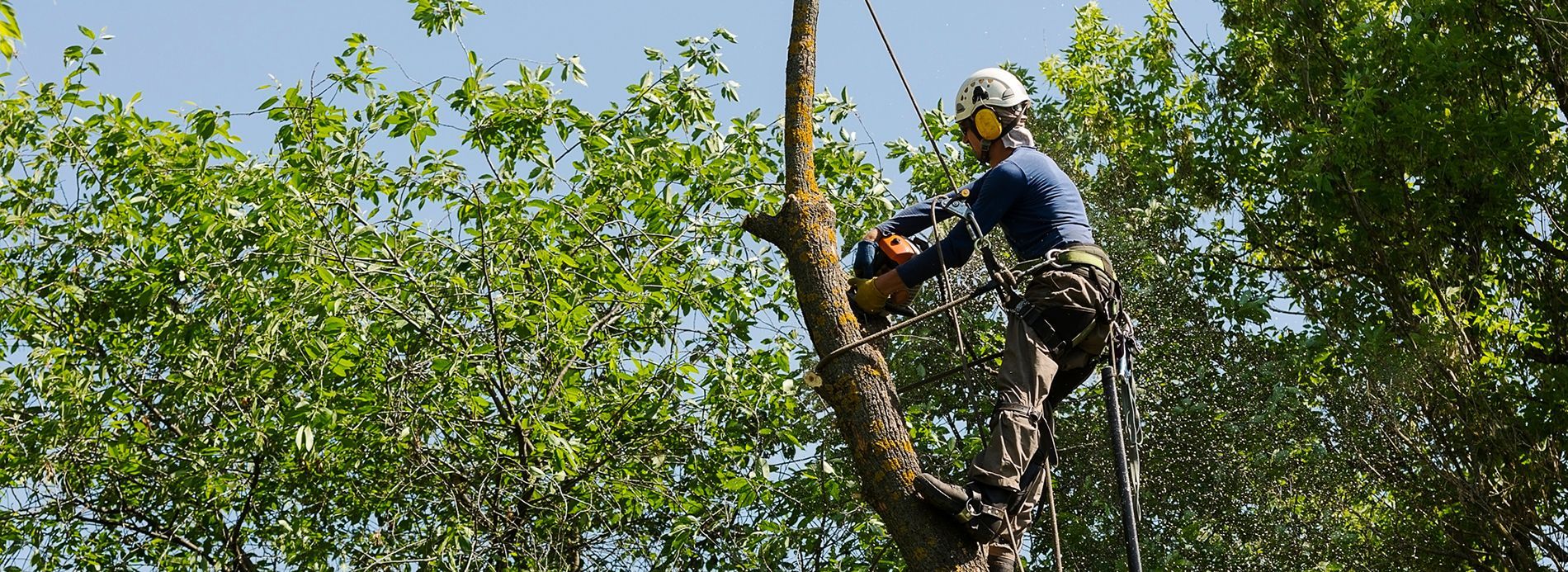
Tree trimming and tree pruning are terms that are often used interchangeably, but they can involve different goals and approaches to tree care. Both services involve selectively removing branches, yet the reasons for doing so may vary. Understanding the distinction can help you determine what type of professional tree care you need. At Abundant Tree Care Services, our local arborists provide expert tree trimming and pruning in the greater De Soto, IL area. Here’s a look into the differences between them. What Is Tree Trimming? Tree trimming generally focuses on managing a tree's size, shape, and appearance. It may involve removing overgrown branches that extend into walkways, structures, driveways, or other areas where they have intruded. Trimming can also help maintain a tree's desired shape and keep excessive growth from interfering with the surrounding landscape. What Is Tree Pruning? Tree pruning typically focuses more specifically on the health and structural condition of the tree. A professional may remove dead, diseased, damaged, crossing, and weakly attached branches. Pruning can also help address structural concerns and encourage healthier growth patterns. Because every cut can affect a tree's development, proper pruning requires an understanding of growth habits. When Is Trimming Appropriate? Trimming may be useful when a tree has become overgrown or is interfering with your property. Branches that are blocking views, rubbing against a structure, or growing into a frequently used area may need to be selectively reduced. Trimming can also help maintain a neat appearance in landscapes where trees need to remain within certain spaces. When Is Pruning More Appropriate? Pruning is often appropriate when a tree has deadwood, damaged limbs, disease concerns, or structural problems. It can also be beneficial for young trees that need guidance as they develop. Selective pruning can help reduce problematic growth while supporting the tree's long-term structure. An experienced arborist can determine which branches should be removed and which should remain. Professional Tree Pruning & Trimming in De Soto, IL For expert arborist services in De Soto , Carbondale, and Southern Illinois, contact Abundant Tree Care Services at 618-227-2881 . Feel free to give us a call to ask for an estimate!
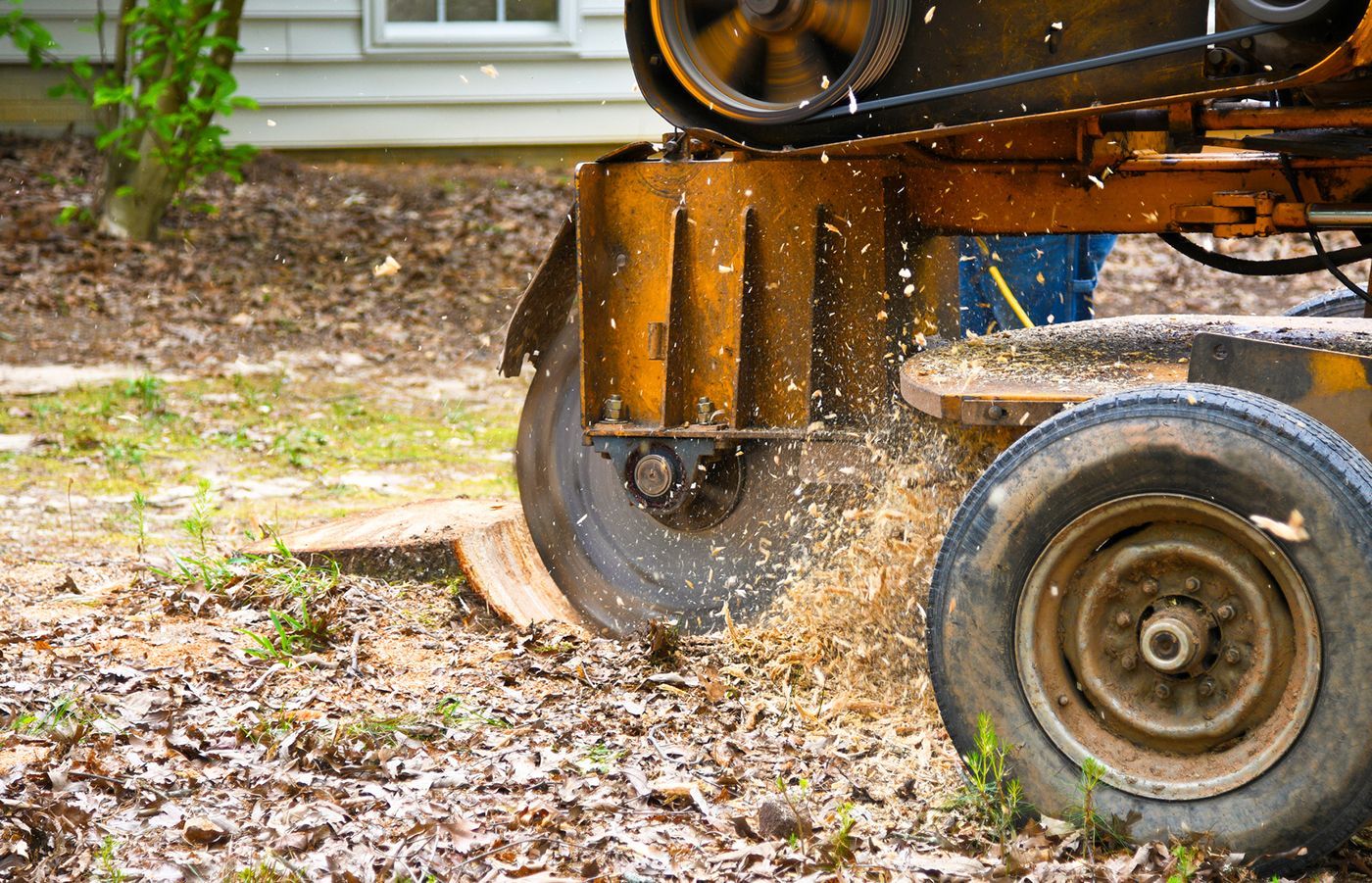
When a tree is removed from your property, the remaining stump can be easy to overlook. However, an old stump can continue to create problems long after the tree itself is gone. It can interfere with landscaping, attract pests, become a tripping hazard, and make your yard more difficult to maintain. At Abundant Tree Care Services, our local arborists provide expert stump grinding and removal in the greater De Soto, IL area. Here are four benefits of removing tree stumps. Improve Your Property's Appearance An old tree stump can make an otherwise attractive yard look neglected. Stumps may become discolored, cracked, or surrounded by weeds as they deteriorate. Removing them creates a cleaner appearance and gives you a blank area that can be incorporated into your landscaping plans. Whether you want to plant new grass or install a flower bed, eliminating the stump provides greater flexibility. Eliminate Tripping Hazards Stumps can create safety concerns, especially in areas where people regularly walk or children play. A partially buried or deteriorating stump may be difficult to see, particularly when covered by grass or weeds. Someone could trip over it and suffer an injury. Removing the stump eliminates this potential hazard. Discourage Pests Decaying wood can provide shelter and food for various insects and other pests. An aging stump may attract ants, termites, and other organisms that feed on or inhabit deteriorating wood. While removing a stump doesn't guarantee that pests will never visit your property, eliminating a potential source of shelter and food can help make the area less attractive to certain pests. Make Lawn Maintenance Easier Mowing and maintaining a lawn around an existing stump can be frustrating. You may need to carefully maneuver around it or trim grass and weeds by hand. Removing the obstacle makes mowing, edging, and other routine yard work simpler. Stump Grinding & Removal in De Soto, IL For expert arborist services in De Soto, Carbondale, and Southern Illinois , contact Abundant Tree Care Services at 618-227-2881 . Feel free to give us a call to arrange an estimate for tree services in greater De Soto, IL !
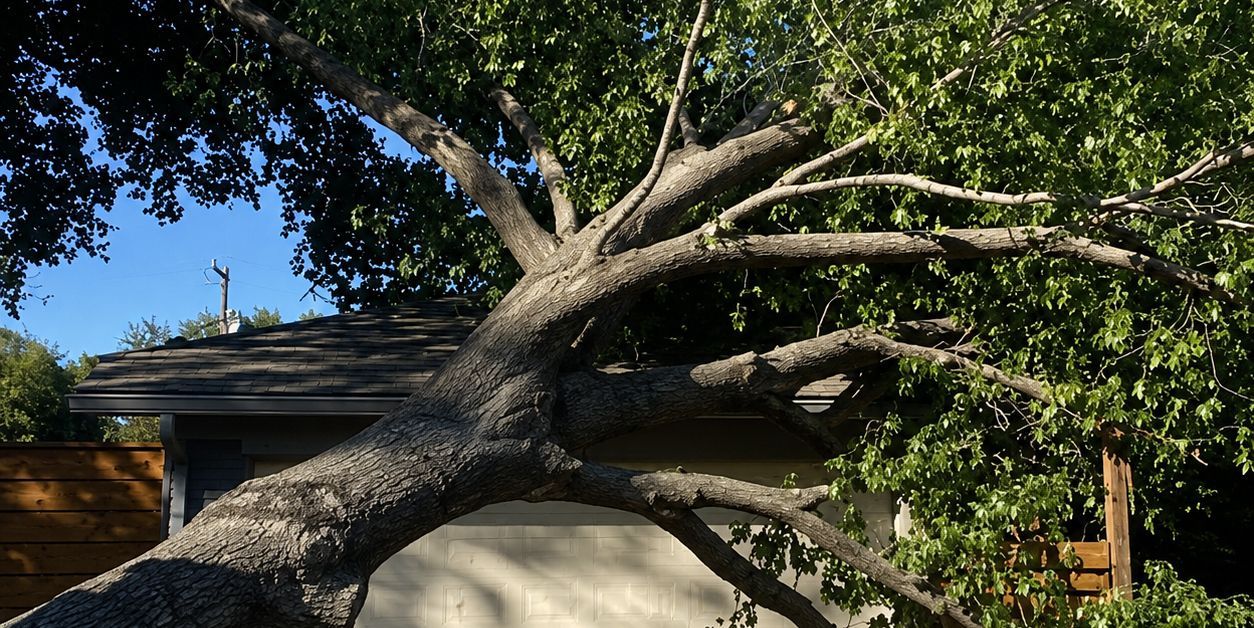
Unfortunately, trees can sometimes decline due to disease, pests, environmental stress, root problems, or severe weather damage. A dead or dying tree can become a major safety hazard if weakened branches or the entire tree fail unexpectedly. Recognizing the warning signs early and having the tree inspected by a professional arborist can help determine the best course of action. At Abundant Tree Care Services, our local arborists can identify dead and dying trees and safely remove them as necessary. Here are four signs that a tree may be dead or dying and should be evaluated. Lack of Leaves or Unusual Leaf Growth A healthy tree typically produces a full canopy of leaves during its growing season. A tree may be significantly stressed if it has fewer leaves than normal, large bare areas, or leaves that appear unhealthy. Problems such as disease, insect infestations, root damage, and poor growing conditions can all affect leaf production. An arborist can identify the cause and recommend treatments to improve the tree's health when possible. Splits or Other Damage to the Trunk The trunk provides essential support and stability for a tree. Cracks, deep splits, cavities, and areas of missing bark may indicate structural weaknesses or internal decay. These problems can compromise the tree's strength and increase the likelihood of it toppling. Because some damage may extend deeper than what is visible, a professional arborist can inspect the tree and determine how serious the issue is. Fungal Growth/Signs of Decay Fungi and soft or rotting areas around the trunk or base of a tree may be signs of internal decay. Decay can weaken important support tissues and make a tree more vulnerable to breaking. An arborist can assess whether the decay poses a safety concern and recommend the appropriate solution. Leaning/Instability A tree that suddenly begins leaning or appears unstable may have underlying structural or root problems. Issues such as damaged roots, soil erosion, or storm-related damage can affect a tree's ability to remain upright. A leaning tree near a home, driveway, or other structure should be inspected promptly because it may pose a serious safety risk. Arborist in De Soto, IL For expert arborist services in De Soto, Carbondale, and Southern Illinois , contact Abundant Tree Care Services at 618-227-2881 . Feel free to give us a call to ask for an estimate !
Tree pruning is an important part of maintaining a healthy and safe landscape. While it may be tempting to trim branches yourself, improper pruning can damage trees and even create safety hazards. Experienced arborists understand how different tree species grow and know the proper techniques for promoting long-term health. At Abundant Tree Care Services, our local arborists provide expert tree pruning in the greater De Soto, IL area. Here are five reasons it's best to have an experienced arborist handle your tree pruning needs. Promote Healthier Tree Growth Proper pruning removes dead, diseased, and damaged branches while encouraging healthy new growth. Experienced arborists know where to make precise cuts that allow trees to heal properly without causing unnecessary stress. Correct pruning also improves air circulation and sunlight penetration throughout the canopy, helping the tree remain healthy for years to come. Improve Safety Around Your Property Weak or overgrown branches can pose serious risks to people, vehicles, and nearby structures. During pruning, an experienced arborist identifies limbs that are cracked, dying, or structurally unsound before they become more dangerous. Removing hazardous branches reduces the likelihood of property damage and personal injury, especially during storms. Preserve the Tree's Natural Shape Every tree species has its own natural growth pattern. An experienced arborist understands how to prune trees without ruining their appearance or weakening their structure. Rather than excessive trimming, they carefully shape the canopy while maintaining the tree's beauty, balance, and long-term health. Help Prevent Diseases and Pest Problems Dead or damaged limbs can attract insects and provide entry points for diseases. Professional pruning removes vulnerable branches before problems spread throughout the tree. Experienced arborists also recognize early signs of disease or insect activity and can recommend additional treatments if necessary. Proper Equipment and Safe Techniques Tree pruning often involves climbing, working near power lines, and using specialized cutting equipment. Experienced arborists have the training, safety equipment, and professional tools needed to perform the work efficiently and safely. Their expertise minimizes the risk of accidents while protecting surrounding landscaping and property from unnecessary damage. Professional Tree Pruning in De Soto, IL For expert arborist services in De Soto, Carbondale, and Southern Illinois , contact Abundant Tree Care Services at 618-227-2881 . Feel free to give us a call to as for an estimate!
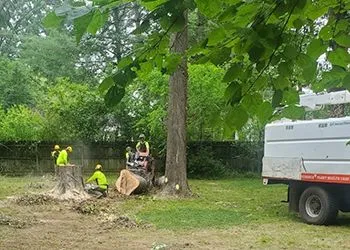
Learn why hiring an arborist for tree removal is safer and more efficient. Contact us for expert help today!