5 Situations Where It’s Smart for Homeowners to Have an Arborist Remove a Tree
Abundant Tree Care Services • January 16, 2026
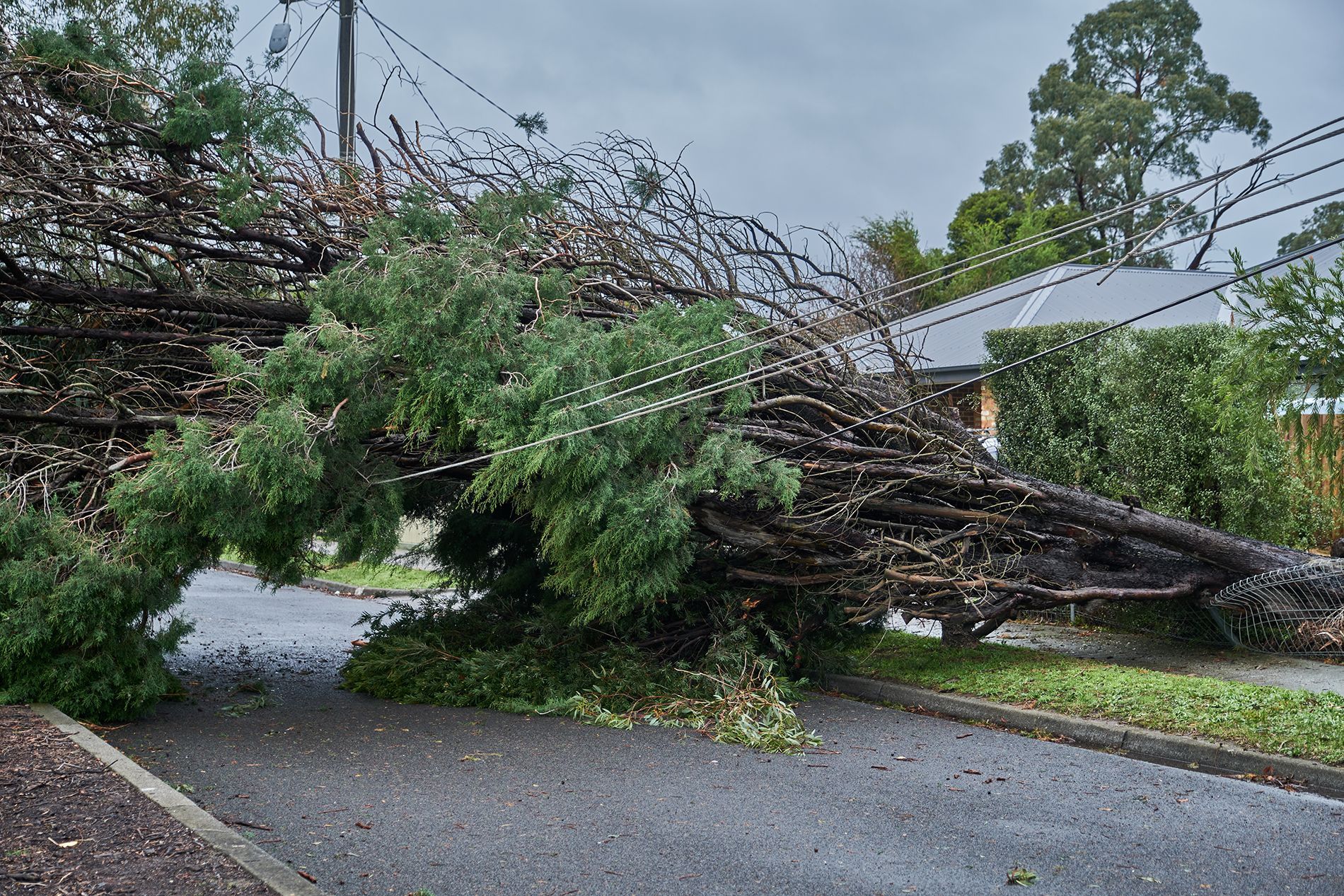
Fallen tree blocking a residential street, with power lines. Overcast day.

Trees enhance a property’s beauty and add long-term value, but there are times when keeping a tree is no longer the safest option. When a tree becomes unstable or poses a risk to people or structures, professional removal is often the responsible choice. At Abundant Tree Care Services, our local arborists provide expert tree removal in the greater De Soto, IL area. Knowing when to call an arborist for tree removal can help homeowners protect their property.


The Tree Is Dead or Dying

A dead or dying tree is one of the most common reasons for removal. Once a tree has lost its vitality, it can no longer adapt to weather or environmental stress. Dead wood becomes brittle and prone to breaking, increasing the risk of falling limbs or total collapse. An arborist can confirm whether a tree is beyond saving and safely remove it before it becomes a greater hazard.


The Tree Has Suffered Major Storm Damage

Severe storms can cause structural damage that compromises a tree’s stability. Split trunks, large broken branches, or partially uprooted trees are signs that the tree may no longer be safe. Even if the tree is still standing, internal damage can make it unpredictable. Arborists are trained to evaluate storm-damaged trees and determine whether removal is necessary.


Dangerous Leaning

While some trees naturally grow at a slight angle, a sudden or worsening lean is a serious warning sign. Leaning trees often indicate root damage, soil instability, or internal decay. When a tree begins leaning toward a home, driveway, or neighboring property, it’s generally best to eliminate this danger before an accident occurs.


Roots Are Causing Structural Damage

Tree roots can cause extensive damage when they grow too close to homes, sidewalks, or underground utilities. Cracked foundations, lifted walkways, and damaged plumbing lines are common issues associated with aggressive root systems. When root-related damage becomes evident, removing the tree may be the best solution to protect the integrity of the property and prevent further costly repairs.


The Tree Interferes With Buildings/Utilities

Trees that grow too close to roofs, power lines, or other structures can create ongoing concerns. Branches rubbing against homes can damage siding, while limbs tangled in power lines pose outage risks. When pruning is no longer sufficient to manage these issues, an arborist may recommend removal.


Tree Removal in De Soto, IL

For expert arborist services in De Soto, Carbondale, and Southern Illinois, contact Abundant Tree Care Services at 618-227-2881. Feel free to give us a call to ask for an estimate!
By Abundant Tree Care Services April 15, 2026
When large trees become unstable, they can pose serious safety risks. A hazardous tree can damage your home, vehicles, or even cause severe injury if it falls unexpectedly. The key to preventing problems is recognizing the warning signs early and taking action before the situation worsens. At Abundant Tree Care Services, our local arborists can identify and safely remove dangerous trees.Here are five signs that a tree on your property may be creating a safety hazard. Noticeable Lean or Sudden Shift While some trees naturally grow at a slight angle, a sudden or increasing lean is a major red flag. This can indicate root instability or structural weakness. If a tree begins leaning toward your home, driveway, or another structure, it’s important to contact an arborist ASAP. Dead/Falling Branches Large, dead branches are one of the most obvious safety concerns. These limbs can break off without warning and cause damage or injury. If you notice frequent limb drop or sections of the tree that appear brittle or lifeless, it’s a warning sign that the tree is declining and becoming hazardous. Splits in the Trunk Deep cracks, splits, or cavities in the trunk can compromise a tree’s structural integrity. These issues weaken the tree and increase the risk of it breaking or collapsing. Vertical cracks or multiple splits are particularly concerning and should prompt professional evaluation to determine whether removal is necessary. Root Damage/Soil Movement The root system anchors the tree and keeps it stable. If you see exposed roots, heaving soil, or ground that appears lifted around the base, it may indicate root damage or failure. Construction, erosion, and severe weather can all impact root health. A compromised root system significantly increases the risk of the tree falling. Proximity to Structures or Power Lines Trees growing too close to your home or utility lines can quickly become a hazard. Overhanging branches can break off and damage roofs. In some cases, the entire tree may pose a risk if it were to fall. Trees located close to power lines or other high-risk areas should be carefully monitored and professionally assessed. Tree Removal in De Soto, IL For expert arborist services in De Soto, Carbondale, and Southern Illinois , contact Abundant Tree Care Services at  618-227-2881  . Feel free to give us a call to ask for a local arborist estimate !
A climber in a neon yellow shirt and safety gear suspended in a tree against a blue sky, using a chainsaw to remove limbs.
By Abundant Tree Care Services March 17, 2026
Hazardous trees can pose serious risks to homes, vehicles, power lines, and the safety of anyone nearby. Storm damage, disease, decay, and structural instability can weaken a tree to the point where removal becomes necessary. Because tree removal can be complex and potentially dangerous, many property owners have questions before moving forward. At Abundant Tree Care Services, our local arborists are happy to answer your questions about hazardous tree removal in the greater De Soto, IL area. What Are Indications that a Tree Is Hazardous? A tree may be considered hazardous if it shows signs of structural weakness or poses a risk to people or property. Common warning signs include large dead branches, cracks in the trunk, leaning that has recently worsened, hollow or decayed areas, and root damage. Trees that have been struck by lightning or damaged in storms may also become unstable. A professional assessment can determine whether a tree can be saved or if full removal is the safest option. Can a Hazardous Tree Be Saved? In some cases, corrective pruning or cabling can stabilize a compromised tree. Removing dead or damaged limbs may reduce the overall risk and restore structural balance. However, if the trunk is severely decayed, the root system is compromised, or the tree is at high risk of falling, removal is often the most responsible course of action. An experienced tree care professional can evaluate the extent of the damage and recommend the best solution. Why Is Professional Removal Important? Hazardous tree removal involves significant risk, especially when trees are located near structures or power lines. Professionals use specialized equipment and follow strict safety procedures to remove trees in sections when necessary. Attempting to remove a dangerous tree without proper training can lead to serious injury or property damage. Hiring a qualified crew helps ensure the work is completed safely, efficiently, and in compliance with local regulations. What Happens After the Tree Is Removed? Once the tree is safely removed, the remaining debris is typically cleared from the property. Homeowners can choose to have the stump ground down or removed to eliminate tripping hazards and prepare the area for landscaping. After removal, it’s a good idea to assess surrounding trees to ensure there are no additional safety concerns. Where Can I Find Hazardous Tree Removal in De Soto, IL? For expert hazardous tree removal in De Soto, Carbondale, and Southern Illinois , contact Abundant Tree Care Services at  618-227-2881  . Feel free to give us a call to request an estimate !