4 Tips for Choosing the Right Tree for Your Yard
Abundant Tree Care Services • February 18, 2025
A large tree with lots of leaves is in front of a building.

Planting a tree is an investment that can provide shade, beauty, and even increase your property value. However, selecting the right tree for your yard requires careful consideration. From mature size to long-term maintenance, there are many factors to think about. At Abundant Tree Care Services, we can help you choose the ideal trees for your property. Then, we can properly plant them. Here are four tips for choosing the right tree for your yard.


Consider Your Growing Conditions

Consider your yard’s soil type and drainage. Some trees prefer well-draining soil, while others can tolerate occasional flooding. Sunlight exposure is another key factor—if your yard is mostly shaded, select a tree that thrives in low-light conditions. Matching your tree to your climate and growing conditions will give it the best chance for long-term success.


Think About Size and Growth Rate

Before selecting a tree, consider how big it will get at full maturity. A tree that seems small when planted may grow to tower over your house or interfere with power lines in just a few years. Fast-growing trees can provide quick shade but may have weaker wood that is prone to breaking in storms. Slower-growing trees may take longer to mature but often develop stronger structures and longer lifespans. Make sure to check both the height and width of a tree at maturity so it fits well within your yard’s space constraints.


Choose a Tree with the Right Function

Different trees serve different purposes in a yard. If you want shade to cool your home during the summer, a deciduous tree that loses its leaves in winter will allow sunlight to reach your home during colder months. If privacy is your goal, evergreen trees provide year-round screening from neighbors or roadways. Flowering trees add seasonal beauty, while fruit-bearing trees can provide fresh produce. Understanding the primary function you want from your tree will help you make the right choice.


Consider Maintenance and Upkeep

Some trees require more maintenance than others, so it’s important to choose one that fits your willingness to care for it. Certain species drop large amounts of leaves or seed pods, requiring frequent cleanup. Others may be prone to disease or pests, leading to additional maintenance needs. Selecting a tree with manageable maintenance requirements will save you time and effort in the long run.


Tree Planting Services in De Soto, IL

For arborist services in De Soto, Carbondale, and Southern Illinois, contact Abundant Tree Care Services at  618-227-2881. Feel free to give us a call to ask for an estimate!
By Abundant Tree Care Services • September 23, 2026
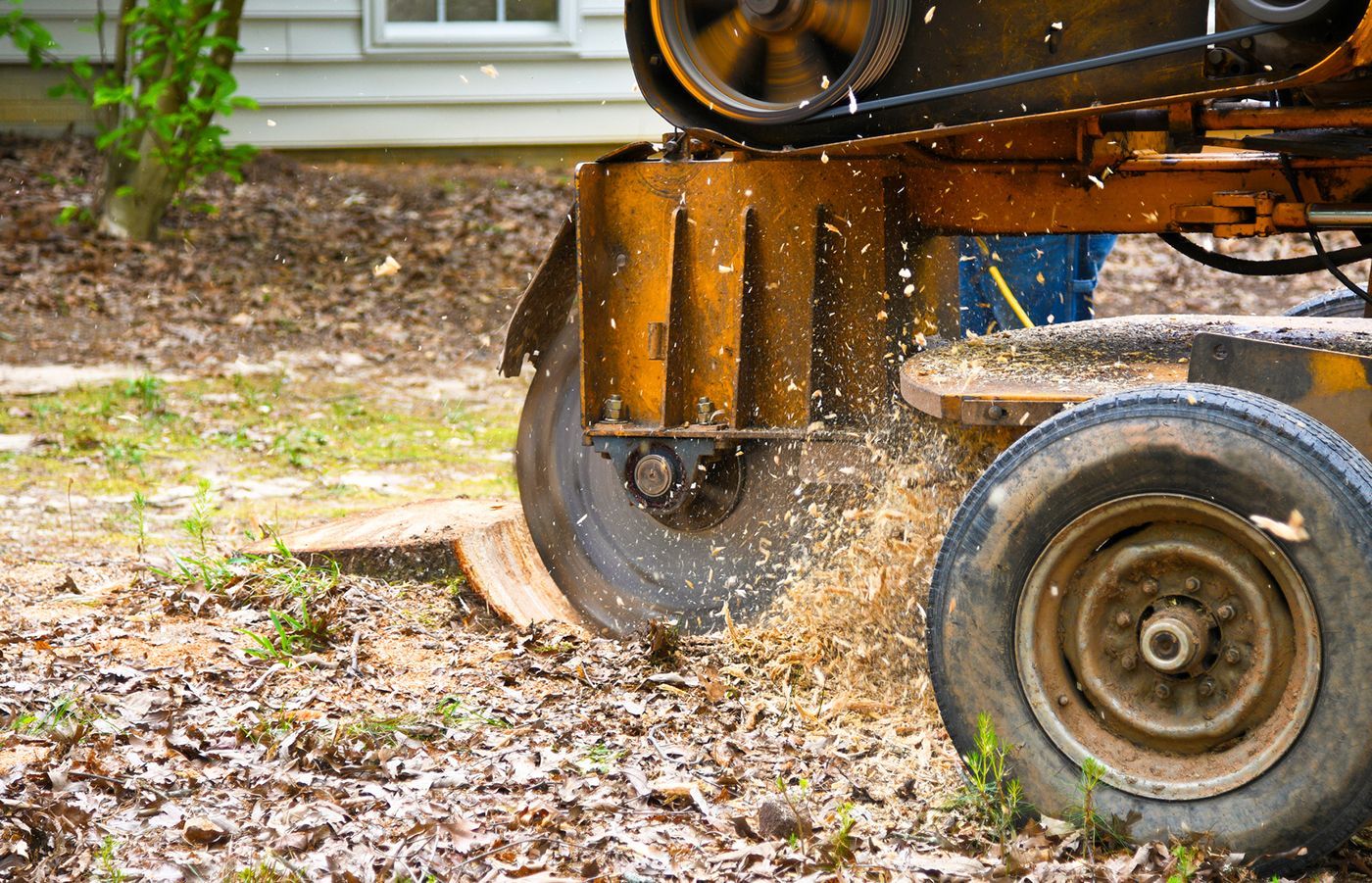
When a tree is removed from your property, the remaining stump can be easy to overlook. However, an old stump can continue to create problems long after the tree itself is gone. It can interfere with landscaping, attract pests, become a tripping hazard, and make your yard more difficult to maintain. At Abundant Tree Care Services, our local arborists provide expert stump grinding and removal in the greater De Soto, IL area. Here are four benefits of removing tree stumps. Improve Your Property's Appearance An old tree stump can make an otherwise attractive yard look neglected. Stumps may become discolored, cracked, or surrounded by weeds as they deteriorate. Removing them creates a cleaner appearance and gives you a blank area that can be incorporated into your landscaping plans. Whether you want to plant new grass or install a flower bed, eliminating the stump provides greater flexibility. Eliminate Tripping Hazards Stumps can create safety concerns, especially in areas where people regularly walk or children play. A partially buried or deteriorating stump may be difficult to see, particularly when covered by grass or weeds. Someone could trip over it and suffer an injury. Removing the stump eliminates this potential hazard. Discourage Pests Decaying wood can provide shelter and food for various insects and other pests. An aging stump may attract ants, termites, and other organisms that feed on or inhabit deteriorating wood. While removing a stump doesn't guarantee that pests will never visit your property, eliminating a potential source of shelter and food can help make the area less attractive to certain pests. Make Lawn Maintenance Easier Mowing and maintaining a lawn around an existing stump can be frustrating. You may need to carefully maneuver around it or trim grass and weeds by hand. Removing the obstacle makes mowing, edging, and other routine yard work simpler. Stump Grinding & Removal in De Soto, IL For expert arborist services in De Soto, Carbondale, and Southern Illinois , contact Abundant Tree Care Services at  618-227-2881  . Feel free to give us a call to arrange an estimate for tree services in greater De Soto, IL !
By Abundant Tree Care Services • August 17, 2026
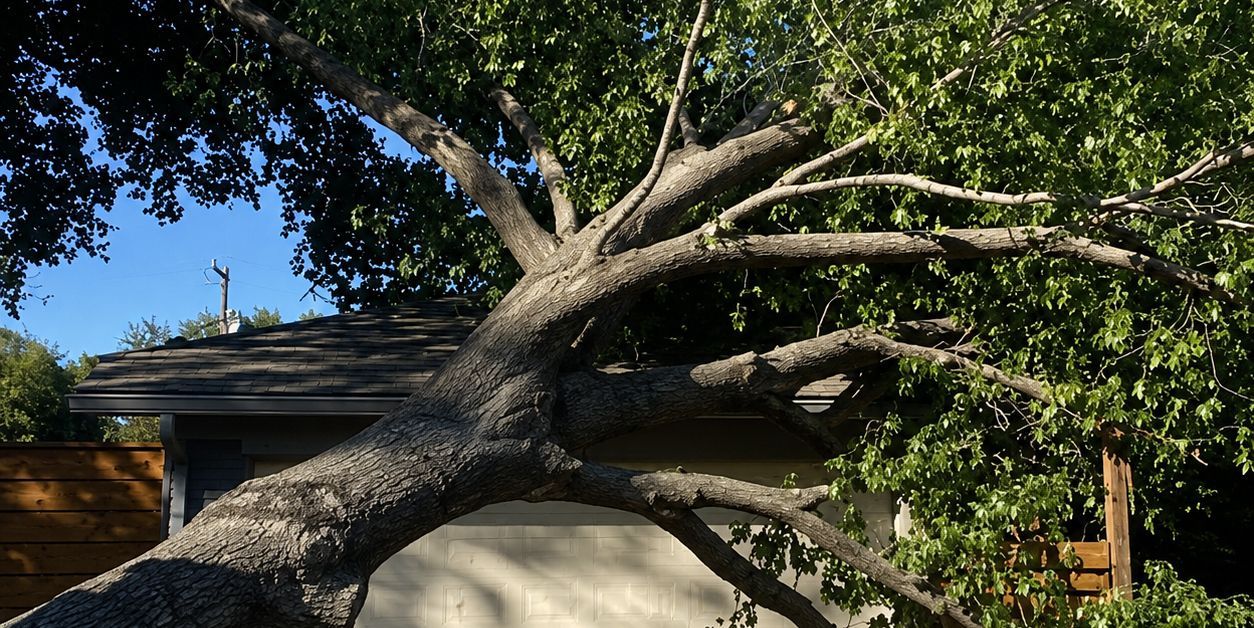
Unfortunately, trees can sometimes decline due to disease, pests, environmental stress, root problems, or severe weather damage. A dead or dying tree can become a major safety hazard if weakened branches or the entire tree fail unexpectedly. Recognizing the warning signs early and having the tree inspected by a professional arborist can help determine the best course of action. At Abundant Tree Care Services, our local arborists can identify dead and dying trees and safely remove them as necessary. Here are four signs that a tree may be dead or dying and should be evaluated. Lack of Leaves or Unusual Leaf Growth A healthy tree typically produces a full canopy of leaves during its growing season. A tree may be significantly stressed if it has fewer leaves than normal, large bare areas, or leaves that appear unhealthy. Problems such as disease, insect infestations, root damage, and poor growing conditions can all affect leaf production. An arborist can identify the cause and recommend treatments to improve the tree's health when possible. Splits or Other Damage to the Trunk The trunk provides essential support and stability for a tree. Cracks, deep splits, cavities, and areas of missing bark may indicate structural weaknesses or internal decay. These problems can compromise the tree's strength and increase the likelihood of it toppling. Because some damage may extend deeper than what is visible, a professional arborist can inspect the tree and determine how serious the issue is. Fungal Growth/Signs of Decay Fungi and soft or rotting areas around the trunk or base of a tree may be signs of internal decay. Decay can weaken important support tissues and make a tree more vulnerable to breaking. An arborist can assess whether the decay poses a safety concern and recommend the appropriate solution. Leaning/Instability A tree that suddenly begins leaning or appears unstable may have underlying structural or root problems. Issues such as damaged roots, soil erosion, or storm-related damage can affect a tree's ability to remain upright. A leaning tree near a home, driveway, or other structure should be inspected promptly because it may pose a serious safety risk. Arborist in De Soto, IL For expert arborist services in De Soto, Carbondale, and Southern Illinois , contact Abundant Tree Care Services at  618-227-2881  . Feel free to give us a call to ask for an estimate !